
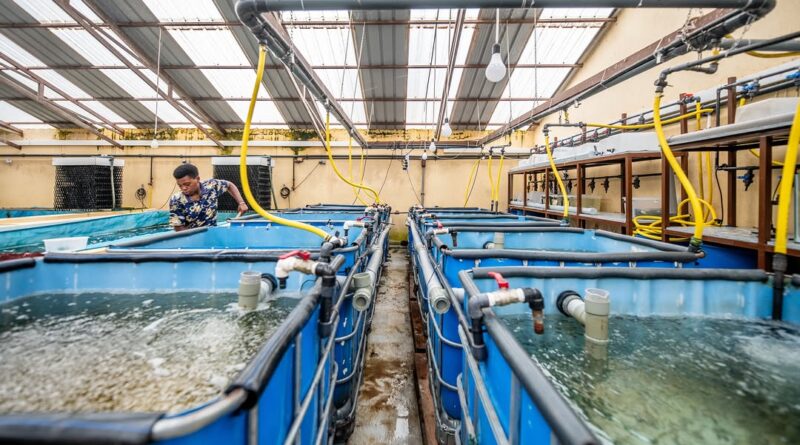
How community fish Farming is transforming livelihoods and saving Akagera NP
In recent years, Akagera National Park faced a serious challenge of activities that threatened biodiversity. Poaching, snaring, and illegal entry had become survival strategies for some surrounding community members, particularly during periods of poverty. At that time, the problem had two dimensions: community poverty and insecurity within the park.
Data analysis from 2021 to 2025 shows how the problem escalated before declining. In 2021, 25 snares were recorded; in 2022, the number rose to 48 (a 92% increase); and in 2023, it surged to 114 (a 137.5% increase), marking the peak of the crisis.
From 2024 onward, change became visible. Snares dropped to 78, and by 2025 they further declined to 38, representing a 51.3% reduction in just one year. Comparing 2023 to 2025, there was a 66.7% decrease. This clearly demonstrates that as community livelihoods improved, destructive activities within the park declined.
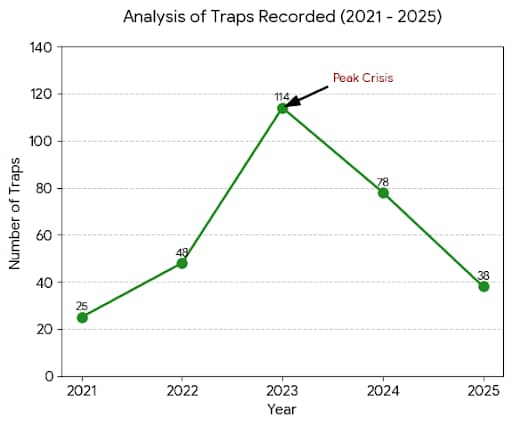
The number of snares in the park significantly declined between 2021 and 2025.(Caption)
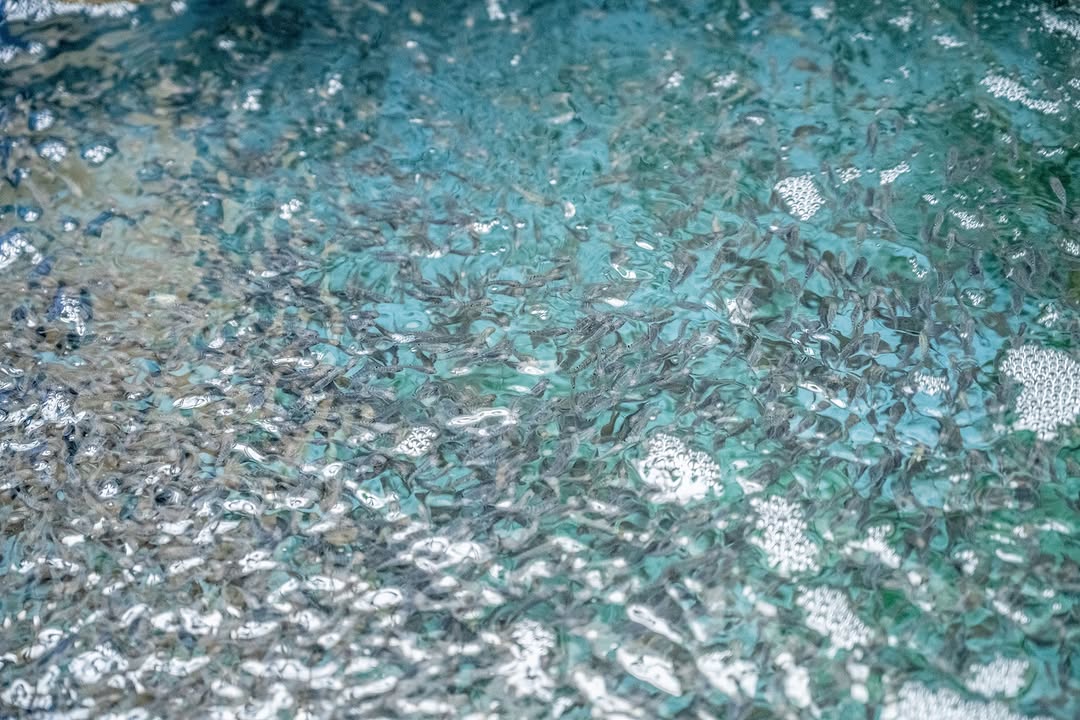
The community fish farming project, implemented in partnership between Akagera National Park and neighboring communities, has been one of the most tangible solutions. Its objective was to increase food production and provide sustainable income opportunities so that residents would no longer depend on hunting or illegal activities inside the park.
Innocent Mfitumukiza, head of COPECO Gishanda Cooperative, explains how the project transformed members’ lives sustainably:
“Before, we lacked sufficient food, and some people considered entering the park to survive. Our children suffered from malnutrition, and paying for community health insurance (Mutuelle de Santé) or school fees was difficult.
Today, because of fish farming, our children eat a balanced diet, families can pay health insurance and school fees, and meet basic needs. It is no longer only about escaping poverty ,we now have a sustainable path to development without hunting wildlife or setting snares. The park has become an important partner in our livelihood.”
He added that the cooperative introduced a system to support vulnerable families by providing fish at subsidized prices or free of charge:
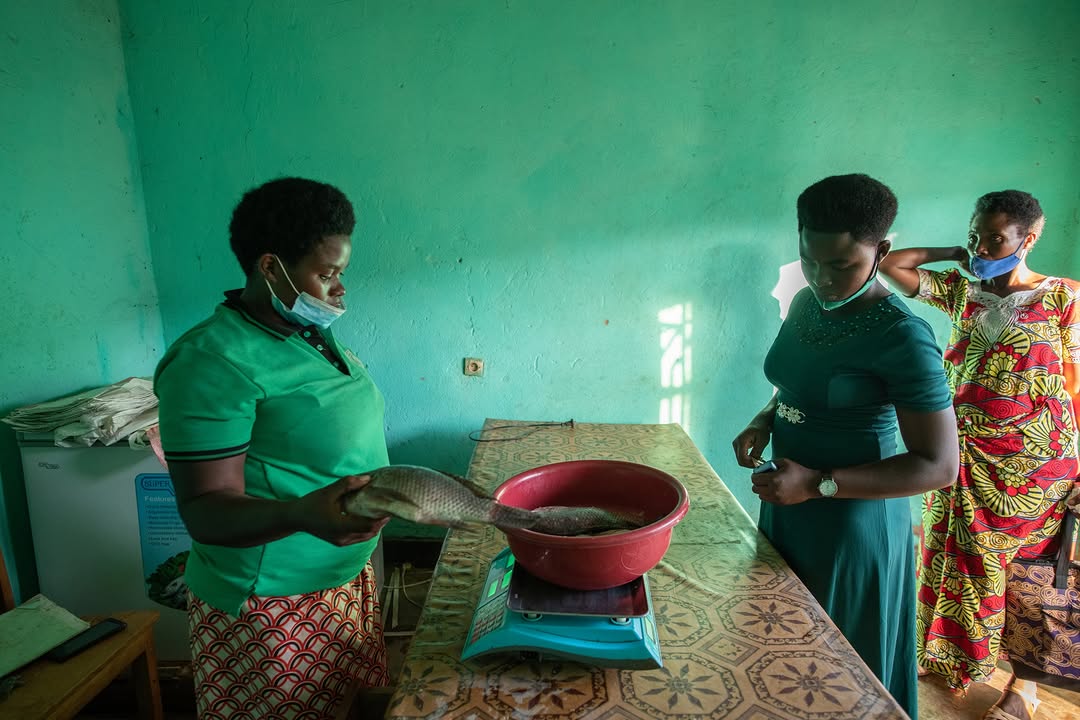
“A vulnerable resident receives fish for free, while others buy it at an affordable price between 1,500–2,000 Rwandan Francs. This helps families improve nutrition, earn income, and actively participate in protecting the park while understanding its value.”
Prisca NIYIREBA, one of the women engaged in fish farming with park support, highlights the impact on families:
“Fish farming has solved many of our problems: preventing child stunting, increasing income, and improving overall living standards. We do not sell all the fish because we also consume some ourselves, reducing daily expenses. This has helped us stop relying on bushmeat, especially from wildlife inside the park. We now see the park as our asset and a source of development. We feel responsible for protecting it instead of harming it.”
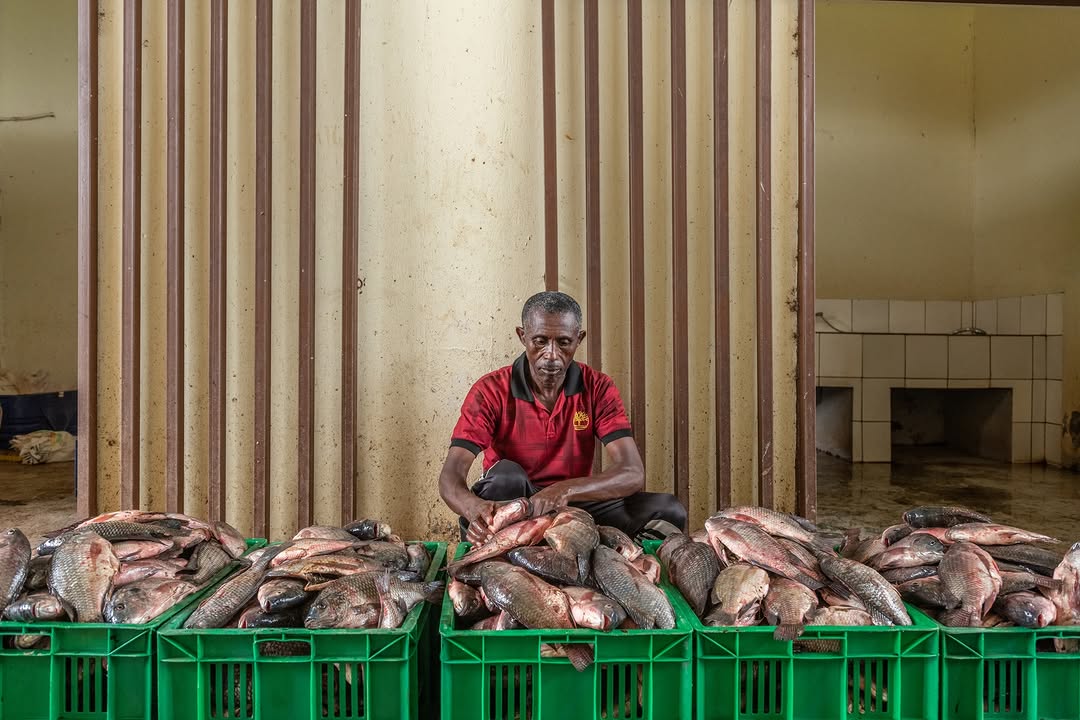
In 2025, cooperatives operating within the park’s lakes harvested 246,484 kilograms of fish. Of this, 17,199 kilograms were sold to local residents at subsidized prices, generating over 37 million Rwandan Francs. Fish farmers operating outside the park harvested 34,205 kilograms, earning more than 68 million Rwandan Francs. Altogether, total revenue exceeded 105 million Rwandan Francs, with total production surpassing 280,000 kilograms.
Jean Paul Karinganire, a funding and reporting manager, cooperation between the park and local communities, explained the park’s contribution:
“Across nine cooperatives managing ten ponds, we supplied 201,200 fish fingerlings. The goal is not just to distribute fish, but to increase community income so they protect the park knowing it is their asset.”
He added:“When communities benefit economically, they become partners rather than threats. There is now strong collaboration between the park and residents, improving livelihoods while reducing destructive activities.”
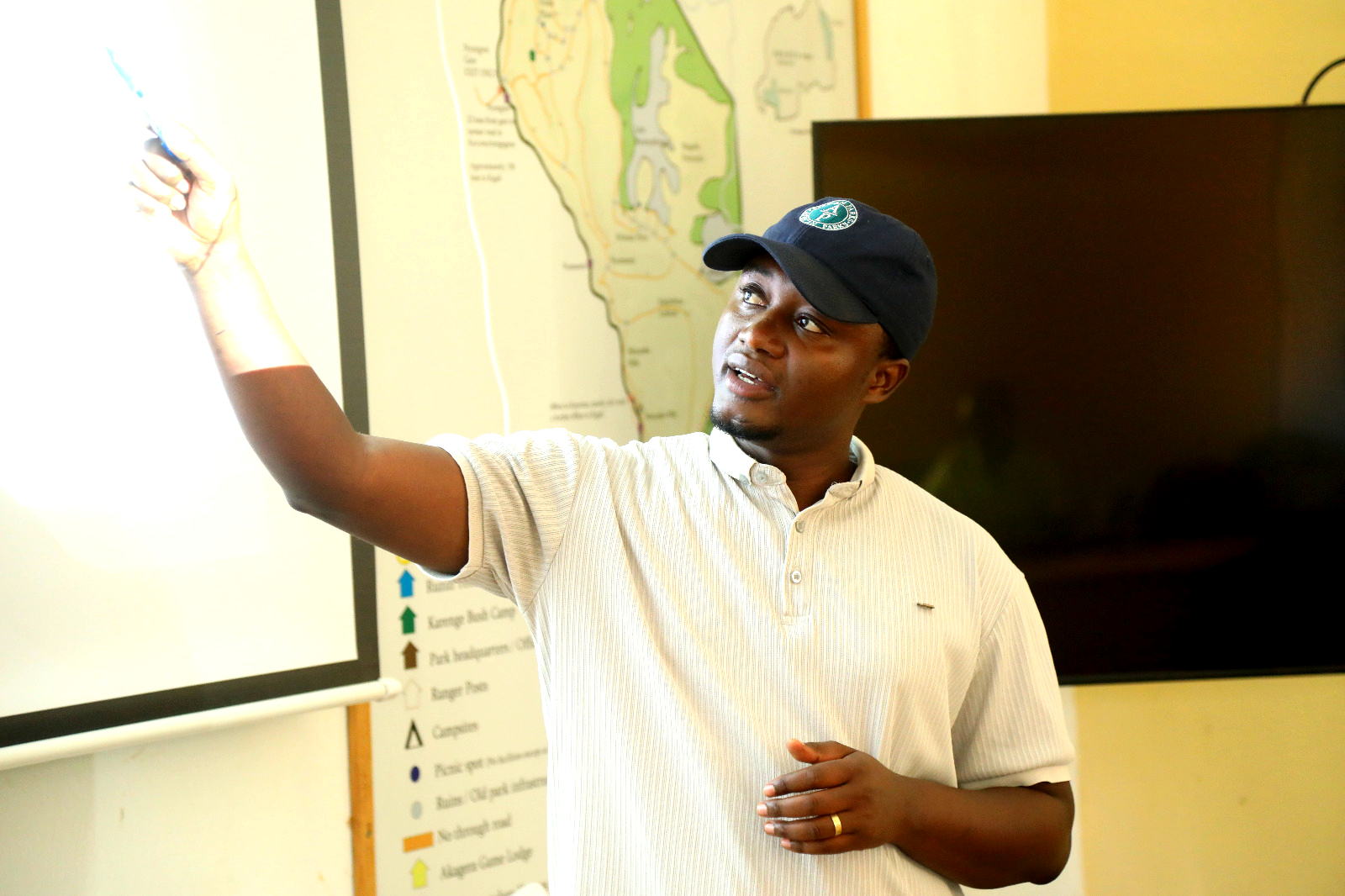
He further emphasized how this collaboration has strengthened revenue sharing:
“When communities see that park-generated income returns to improve their lives, they develop stronger ownership. Fish farming complements revenue sharing and accelerates local development.”
Vulnerable residents who receive fish at subsidized prices or free of charge confirm the benefits.
Venancia Nyirakamana stated:“When we access fish affordably or for free, we have no reason to engage in illegal activities inside the park. Our children eat well, and the money saved helps us invest in other income-generating activities. We now treat the park as our shared wealth and think about how to protect it.”
Bernard Banyurwiki added:“Fish from our Akagera lakes is affordable and sometimes free. That removes the need for hunting or snaring. Instead, we become partners of the park. We gain immediate benefits while safeguarding biodiversity.”
Park management underscores that conservation cannot succeed without community benefit. Nelly Nshimirimana, in charge of Community Development at the park, said:
“We realized conservation is impossible without community involvement. When people benefit directly, they become partners instead of adversaries. Providing affordable or free fish not only improves nutrition but also strengthens community monitoring and collaboration in protecting the park.”
The Mayor of Kayonza District, Fred Hategekimana highlighted additional impacts:“Fish farming has enabled residents to pay for health insurance, school fees, and basic needs. Communities have become the eyes of the park rather than threats to biodiversity. This strengthens oversight and increases revenue-sharing benefits.”He said
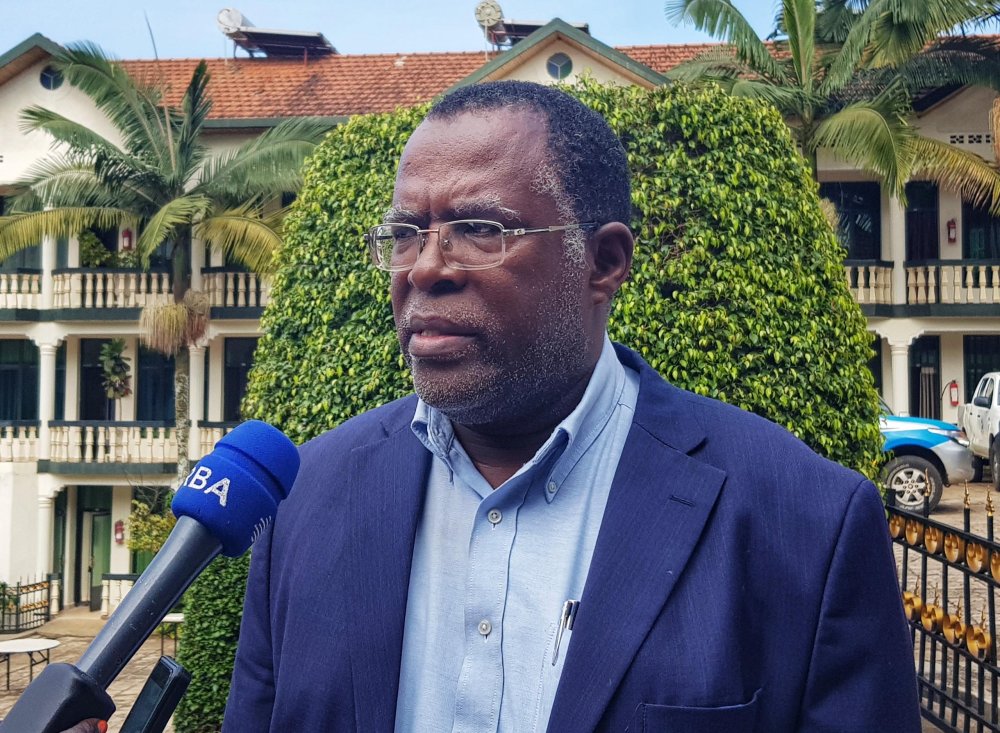
Tresphore NGOGA, a Conservation Policy Analyst at the Rwanda Development Board (RDB), emphasized the broader policy impact:
“People enter the park to hunt for different reasons ,some for meat, some due to cultural traditions, others to sell bushmeat for income. Often, a person does not hunt just for household consumption; they may kill buffalo, elephants, or hippos to sell the meat.
With projects like fish farming, many of these motivations disappear. Fish farmers have food and income alternatives. Those who hunted for commercial purposes now sell fish instead, generating income legally and sustainably. They even become vigilant against illegal entry because they understand the park provides them with greater benefits.”
He added:“No one hunts comfortably; there is always fear of rangers and risks of injury from wildlife. It is far better to collaborate with the park in initiatives that both protect biodiversity and improve livelihoods. Revenue generated has contributed to building schools that serve local children, bringing back those who had dropped out due to distance. Milk collection centers have been built, livestock distributed, and families supported to solve multiple challenges.”
“When communities protect rather than threaten the park, biodiversity thrives, tourism increases, and park revenues grow. These revenues feed back into community projects through revenue sharing and job creation. We urge everyone to remain vigilant and continue safeguarding the park so that the progress achieved does not reverse.”He concluded
National Program for Conservation of Parks and Forests
At the national level, conservation policy is guided by the Rwanda Development Board (RDB), focusing on sustainable tourism, biodiversity protection, and improved community livelihoods. The national objective is to ensure at least 30% of Rwanda’s land area is covered by forests, while strengthening biodiversity conservation and protected area management.
There is also a target to increase tourism revenue by over 5% annually, alongside expanding community revenue-sharing benefits to support schools, health centers, and infrastructure. This integrated approach shows that conservation is not about limiting community development but about aligning environmental protection with tangible local benefits.
In 2025, Akagera National Park received 59,538 visitors and generated more than 7.2 billion Rwandan Francs in revenue, representing a 5.4% increase compared to 2024.
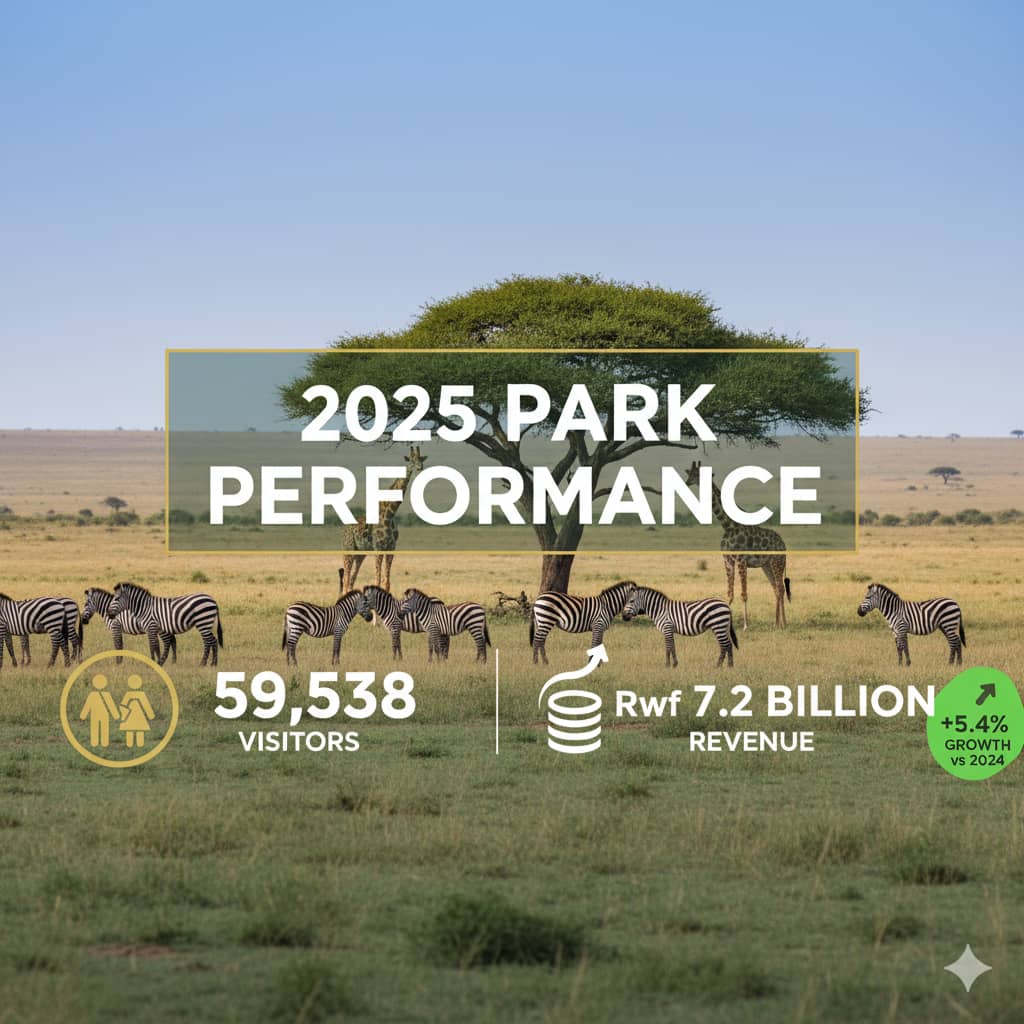
The growth in the number of visitors to Akagera National Park increased significantly(caption)
Overall analysis presents a clear pattern: between 2021 and 2023, the snaring problem intensified; between 2023 and 2025, it declined dramatically by 66.7%; and between 2024 and 2025 alone, it fell by 51.3%.
Akagera National Park is located in eastern Rwanda along the border with Tanzania, covering parts of Kayonza and Nyagatare districts. It spans 1,122 square kilometers, making it one of Rwanda’s largest protected areas. Between 1997 and 2010, the park’s area had been reduced to about 900 square kilometers due to human settlement and agricultural expansion.
Through restoration efforts, including fencing and relocation of encroaching activities, its area was restored from approximately 900 km² back to 1,122 km² within a 3–5 year recovery phase.
Since 2010, the park has been co-managed through a partnership between the Rwanda Development Board (RDB) and African Parks under a long-term management agreement. This collaboration has restored security, increased wildlife populations, and significantly reduced illegal activities.
This story sponsored by REJ in partnership with FOJO