Biochar: A sustainable solution for climate-resilient agriculture
Today, agriculture in Rwanda and around the world is increasingly facing major challenges, including declining soil fertility, loss of nutrients and water, and the growing impacts of climate change.
These challenges have pushed farmers and researchers to renew their interest in the use of soil-applied charcoal, commonly known as biochar, as a sustainable approach to improving crop productivity and protecting soils over the long term.
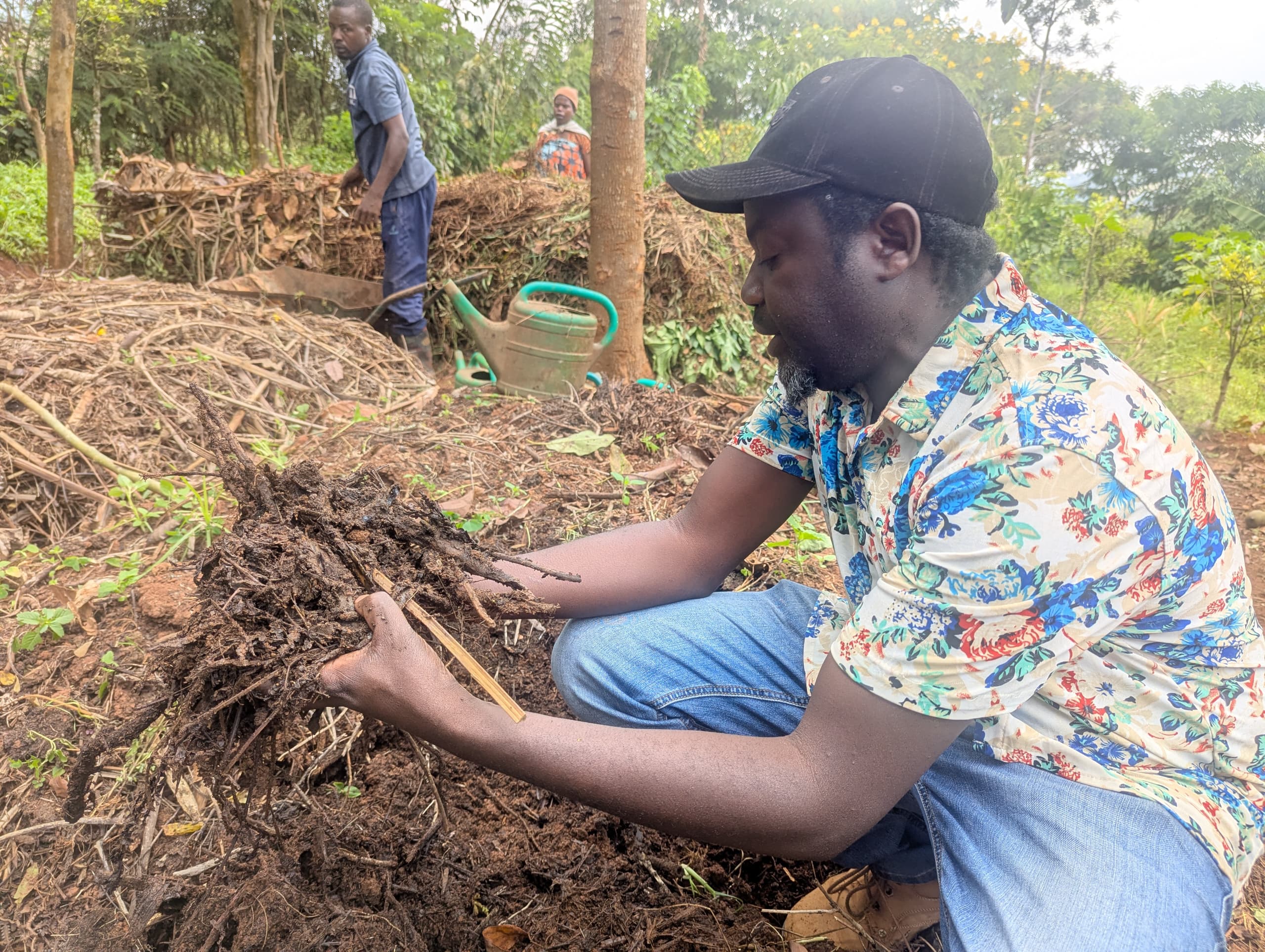
This practice is being implemented at La Ferme du Lac, an organic farming site located in Ngoma District, where biochar is mixed with organic compost and incorporated into the soil. According to Albert Nkundabagenzi, who represents the farm, this approach has already demonstrated positive results in improving soil health and crop yields.
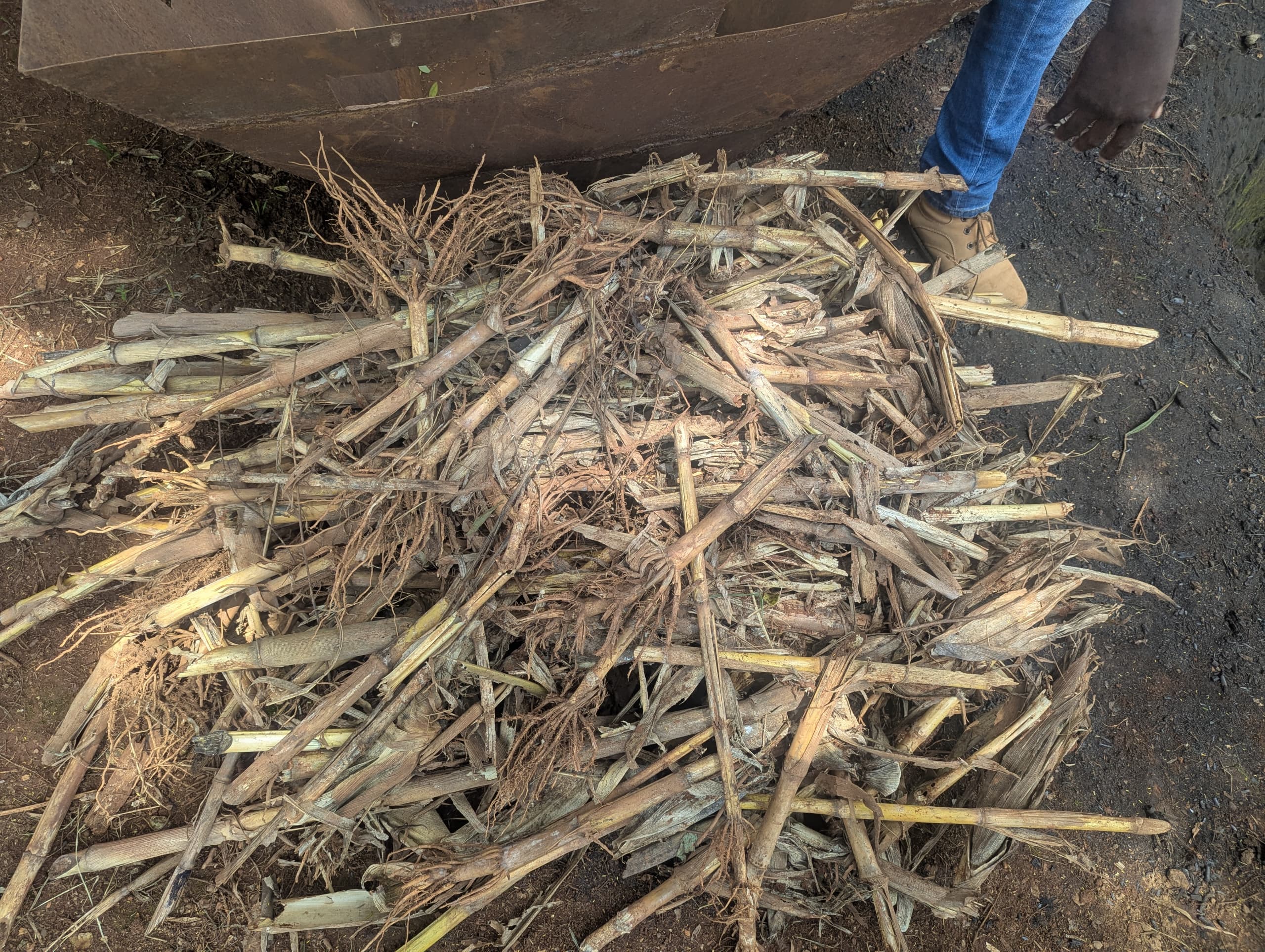
“The charcoal we use in farming is very different from cooking charcoal. It is produced in a way that prevents complete burning and is often made from crop residues and selected plant materials. This allows it to retain carbon and develop a structure that helps soils store nutrients and water for long periods,” he explains.
When applied to the soil, biochar improves soil structure, enhancing aeration and water retention. This enables plant roots to grow more effectively and access nutrients more efficiently, leading to increased yields.
Albert adds that not all agricultural residues are suitable for producing biochar.
“We do not use all types of plant residues because some decompose too quickly, such as those from beans. Instead, we rely on maize cobs, sorghum residues, and leaves or branches from selected tree species that research has shown to retain carbon effectively.”
Protecting soils during droughts and heavy rains
Biochar is particularly beneficial during prolonged dry periods, as it enables normally dry soils to retain moisture for longer. Farmers also report that it reduces nutrient and water losses caused by heavy rainfall, ensuring that applied fertilizers remain available to crops rather than being washed away.
Another key advantage of biochar is its role in enhancing soil biological life. Its porous structure provides habitat for beneficial microorganisms that help convert nutrients into forms that plants can readily absorb.
As a result, soils remain productive and resilient over extended periods, unlike farming systems that rely heavily on synthetic fertilizers, which tend to degrade soil health over time.
Biochar and nitrogen: a partnership for sustainable soils
Nitrogen, one of the most essential nutrients for plant growth, is often lost through leaching or released into the atmosphere when fertilizers are misused. Biochar plays a crucial role in reducing these losses.
When biochar is combined with organic manure or decomposing plant materials, it captures and stores nitrogen in the soil, making it gradually available to crops as they grow.
Phocas NIKWIGIZE, an EGSP-Imbuto agronomist, emphasizes the importance of nitrogen and proper nutrient management.
“Nitrogen is a key pillar of plant growth, but when applied incorrectly, it can damage soils and the environment. Biochar helps retain nitrogen in the soil and ensures it is used efficiently by crops,” he notes.
Research by Lehmann et al. (2011) and Joseph et al. (2021) confirms that biochar enhances microbial activity in soils, including microorganisms that convert atmospheric nitrogen into forms usable by plants. This leads to increased yields without the need for excessive fertilizer use.
Promoting organic agriculture
Serge LIBAHO, in charge of Extension officer at the Rwanda Organic Agriculture Movement (ROAM), highlights both the preparation of biochar and ROAM’s commitment to advancing organic farming.
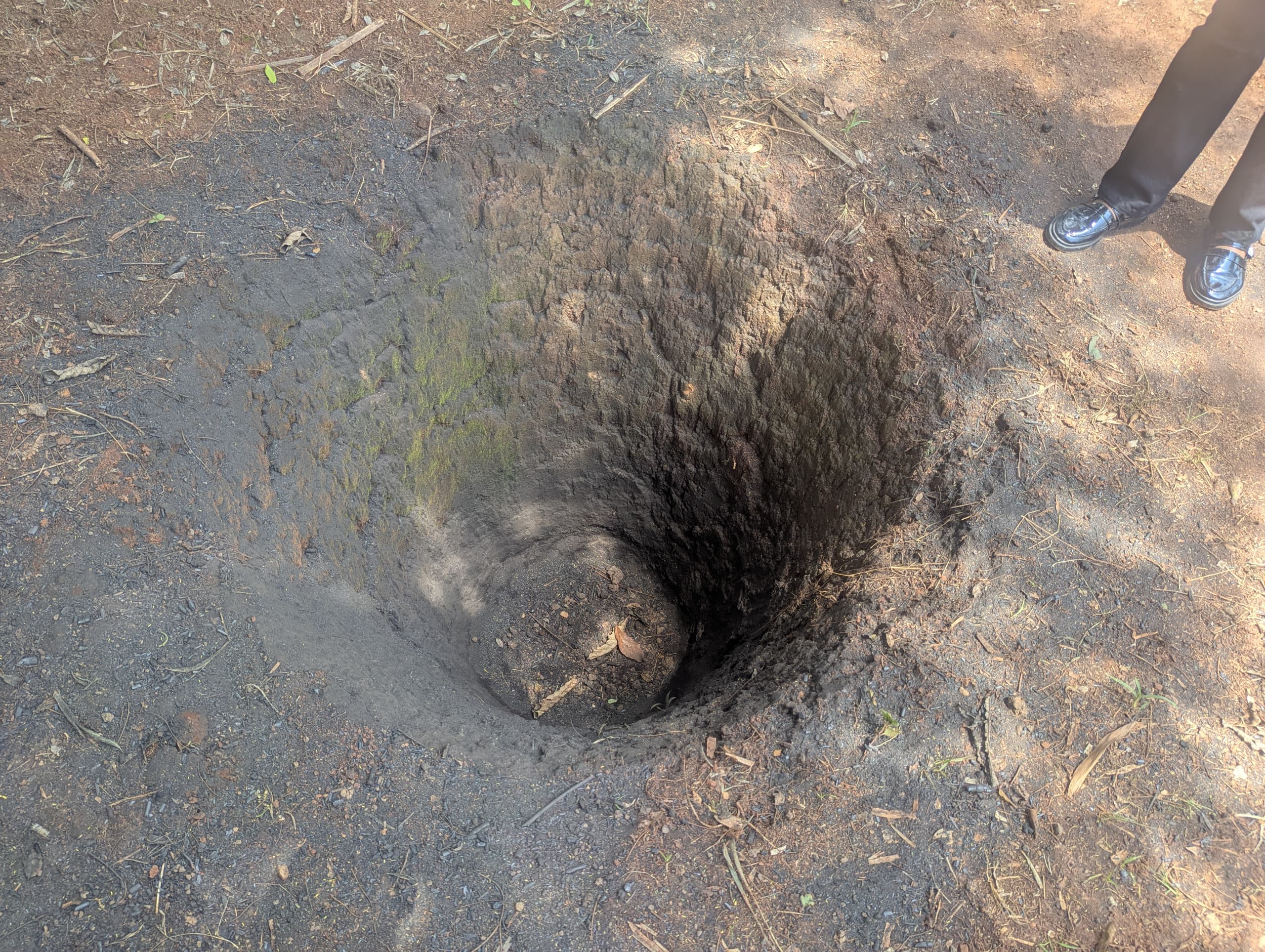
“Maize residues are currently the most commonly used materials for making biochar, but other plant residues such as grasses are also possible, although further research is needed. The materials are placed in a prepared pit and burned under limited oxygen conditions to retain carbon,” he explains.
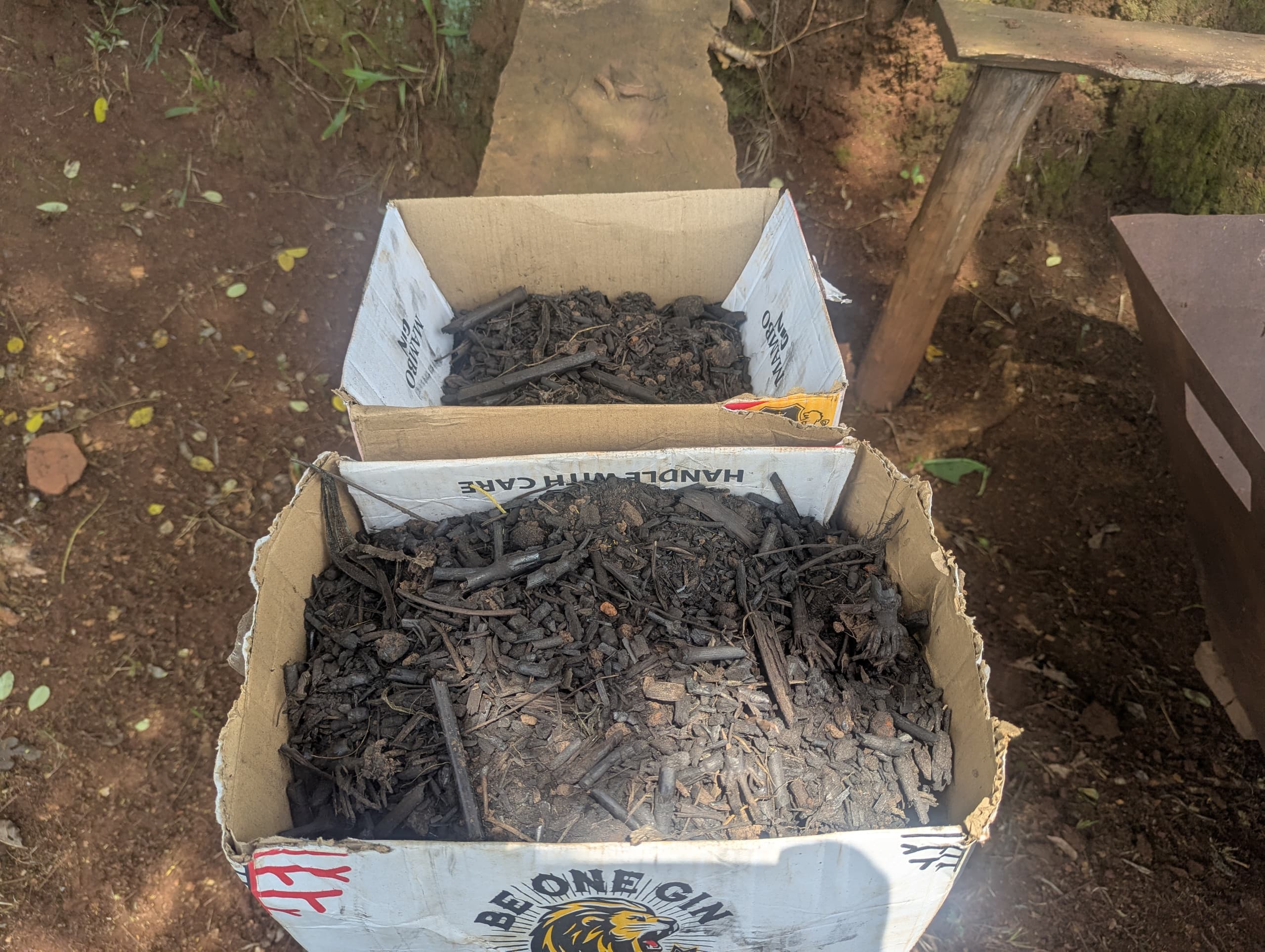
He adds that when biochar is mixed with organic compost, it improves soil water retention and extends the lifespan of nutrients in the soil.
“chemical fertilizers are depleted quickly but when compost is used with biochar, nutrients remain available 3 times more longer in the soil“
Libaho emphasizes that promoting organic agriculture that protects soils and ecosystems is central to ROAM’s mission.
“This is our core responsibility. Organic agriculture benefits human health through the food we eat and preserves the soil we depend on for production. The excessive use of industrial fertilizers and pesticides degrades soils and threatens biodiversity, including birds, bees, and beneficial insects that naturally recycle organic matter.”
Impacts of industrial fertilizers
Although synthetic fertilizers provide short-term yield increases, numerous studies show that they have long-term negative impacts on soils, ecosystems, and human health.
Reports from FAO, UNEP, and WHO indicate that excessive use of chemical fertilizers increases soil salinity, destroys beneficial soil organisms, contaminates water with nitrates, and raises emissions of greenhouse gases such as nitrous oxide (N₂O), a major contributor to climate change.
Biochar offers a clear alternative by retaining carbon in soils for extended periods, reducing greenhouse gas emissions and lowering dependence on synthetic fertilizers.
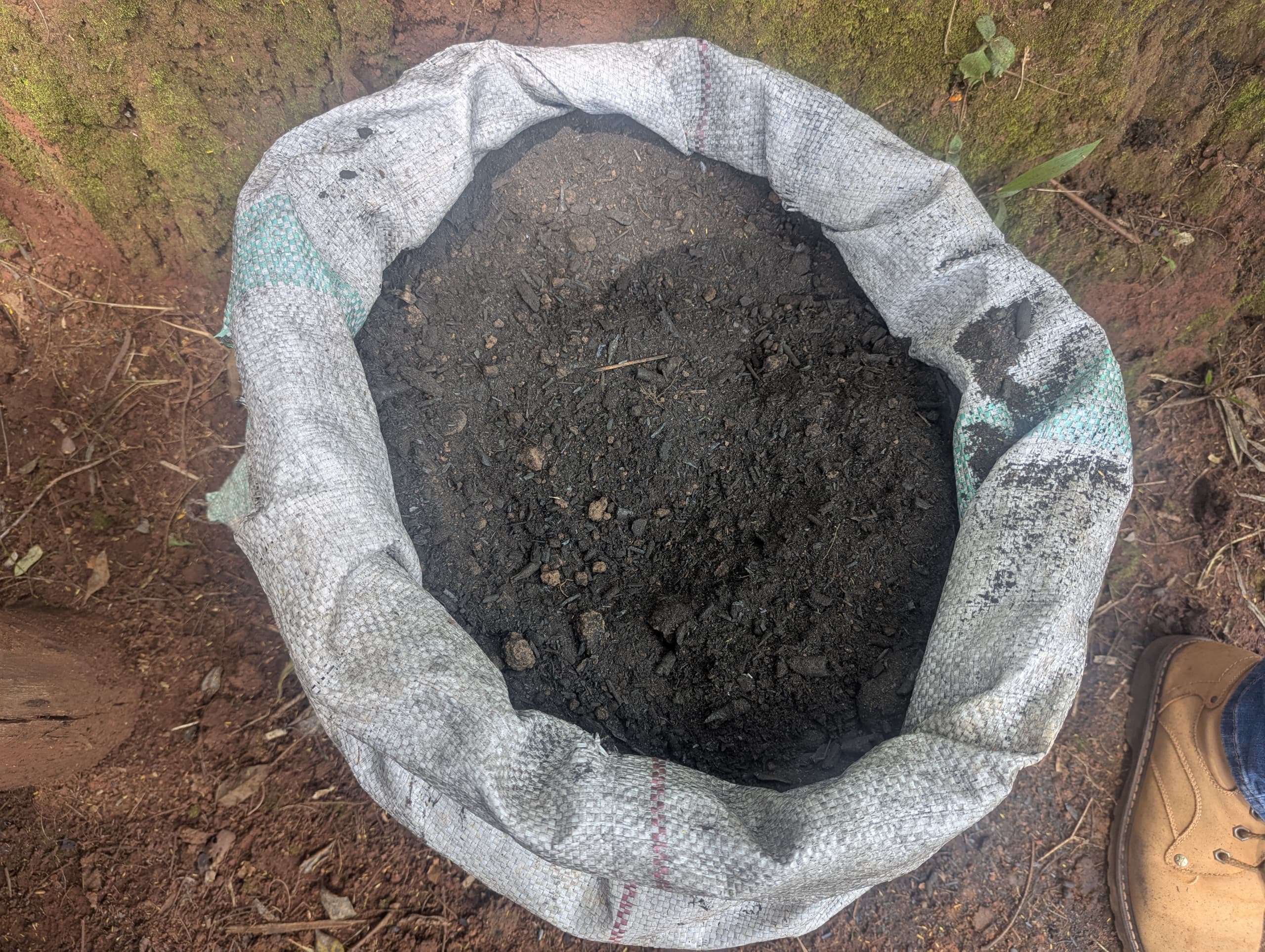
How biochar is produced
Albert explains that biochar production focuses on plant residues that decompose slowly.
“We place the materials in a pit or a structure known as a ‘kontiki’ and burn them from the bottom upward. As burning progresses, more material is added on top to prevent complete combustion and carbon loss.”
Once production is complete, the charcoal is rapidly quenched with water to stop the burning process and preserve the carbon.
“Before applying it to the field, we mix the biochar with organic compost so that it becomes more effective in improving soil fertility.”
As sustainable agriculture gains importance in the fight against climate change, biochar is emerging as a valuable tool that enables farmers to increase productivity without degrading soils or ecosystems.
When properly produced and combined with organic manure, biochar helps soils retain nitrogen and other nutrients, promotes healthy plant growth, and delivers lasting yield improvements making agriculture a strong pillar for improving livelihoods and supporting national economic development.